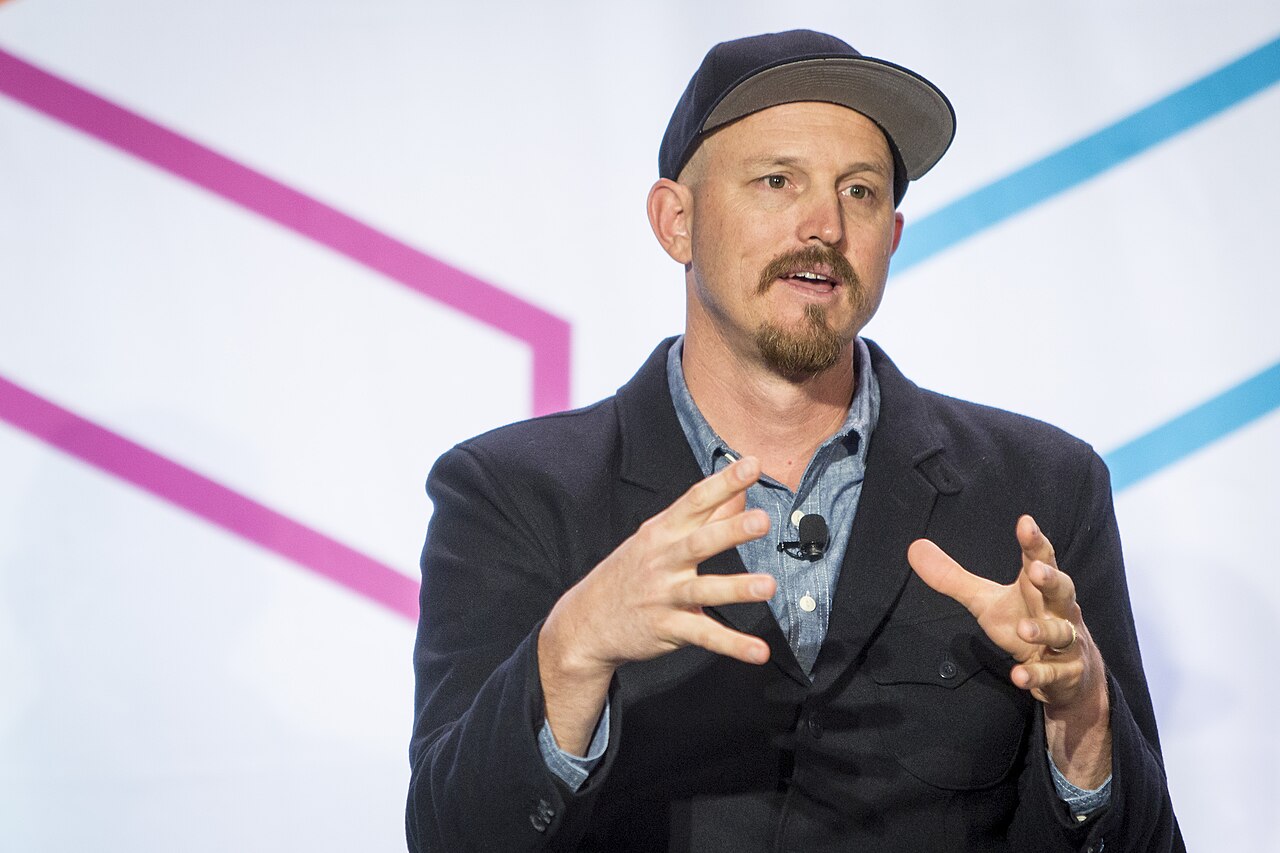
Mick Ebeling's Financial Success: Ventures Fueling His Humanitarian Vision
Mick Ebeling stands as a compelling figure at the intersection of innovation, entrepreneurship, and philanthropy. Far from a typical business magnate, Ebeling has meticulously built his financial success not merely for personal gain, but as a robust engine to power his profound humanitarian vision. His unique journey, marked by a series of shrewd business ventures and groundbreaking technological innovations, offers a fascinating look into how an individual can leverage entrepreneurial acumen to address some of humanity's most pressing challenges. Exploring Mick Ebeling's net worth isn't just about understanding his personal wealth; it's about appreciating the strategic accumulation and deployment of resources that have made "the impossible" possible for countless individuals worldwide.
The Entrepreneurial Roots: Forging a Path of Innovation
Born on June 26, 1970, in Long Beach, California, and raised in Phoenix, Arizona, Mick Ebeling's upbringing was steeped in the values of enterprise and community giving. His parents, Marge and Les Ebeling, instilled in him a foundational understanding that innovation could be a powerful tool for positive change. This early exposure to entrepreneurship, combined with a Jesuit education at Brophy College Preparatory where he cultivated a passion for leadership, set the stage for his future endeavors.
Ebeling's academic path further diversified his skill set. After an initial stint playing basketball at the Air Force Academy in Colorado, he transferred to the University of California, Santa Barbara, earning a degree in political science in 1992. This blend of rigorous discipline, strategic thinking, and a broad understanding of societal structures would prove invaluable as he navigated the complex worlds of technology, business, and social impact.
Building the Empire: Early Ventures and Strategic Acquisitions
Ebeling's professional journey commenced in earnest in 1995 with the launch of Fuel, a pioneering motion design studio based in Venice Beach. Capitalizing on early versions of Adobe After Effects, Fuel quickly carved out a niche, demonstrating Ebeling's foresight in adopting nascent technologies. The studio's success did not go unnoticed, leading to its acquisition by Razorfish in 1999 – a clear indication of Ebeling's ability to build and scale valuable businesses.
Undeterred, Ebeling continued his entrepreneurial streak, founding They, a cross-platform design company that attracted high-profile clients, including NASA. This experience further honed his skills in design, technology, and strategic collaboration. His ability to connect with diverse industries and deliver innovative solutions solidified his reputation as a visionary leader.
In 2001, Ebeling established The Ebeling Group (TEG), a production company and creative think tank. Under his astute leadership, TEG became a magnet for some of the world's leading design and directing collectives, contributing to iconic projects such as the main titles for the James Bond film “Quantum of Solace” (2008) and the award-winning animation "Yes, Virginia" television special for CBS (2009). These ventures not only garnered critical acclaim but also generated substantial financial success, forming a significant bedrock for his financial standing and providing the resources necessary for his more ambitious, humanitarian-driven projects. This pattern of building successful companies and strategically exiting or evolving them has been a hallmark of his career, demonstrably impacting the companies behind Mick Ebeling's wealth.
Not Impossible Labs: Where Profit Meets Purpose
The culmination of Ebeling's entrepreneurial drive and humanitarian spirit found its ultimate expression in the founding of Not Impossible Labs. This social tech incubator is dedicated to a singular, audacious mission: "create technology for the sake of humanity." Not Impossible Labs is not merely a non-profit; it's a model of innovative social enterprise that leverages cutting-edge technology to solve real-world problems, often in ways that are scalable and replicable.
The projects emerging from Not Impossible Labs are nothing short of revolutionary:
- The Eyewriter (2010): This groundbreaking invention enabled a paraplegic street artist, Tempt One, to draw using only his eye movements. Recognized as one of TIME Magazine’s Top Inventions of the Year, it profoundly demonstrated how simple, accessible technology could restore agency and expression.
- Project Daniel (2013): Spearheaded in war-torn Sudan, this initiative utilized 3D printing to create prosthetic arms for amputees. This project not only provided immediate, life-changing solutions but also showcased the power of distributed manufacturing and open-source design in humanitarian aid.
- Bento (2021): Addressing the critical issue of food insecurity, the Bento project developed a platform to connect surplus food with those in need. Its recognition as one of TIME Magazine’s Top Inventions highlights its innovative approach to a pervasive global challenge.
- Music: Not Impossible (2023): This invention focused on making music accessible to individuals with hearing impairments through tactile and visual experiences, again earning a spot on TIME's Best Inventions list.
What sets Not Impossible Labs apart is its ability to attract talent, funding, and partnerships. The accolades and the tangible impact of its projects enhance its reputation, drawing in investors and collaborators eager to be part of meaningful change. While operating with a humanitarian focus, the lab also strategically spins off companies like Bento, Music:Not Impossible, and Vibrohealth. These spin-offs, while maintaining a social mission, operate with a sustainable business model, generating revenue that can be reinvested into further research, development, and humanitarian initiatives. This ingenious approach ensures that Mick Ebeling's net worth and influence are continually channeled into expanding his impact, fostering a self-sustaining ecosystem of innovation for good. His strategic vision for impact has significantly contributed to Mick Ebeling's impact on a global scale.
Accolades and Influence: Amplifying the Vision
Mick Ebeling's relentless pursuit of "technology for the sake of humanity" has not gone unnoticed. His mantelpiece is adorned with prestigious awards, each serving as a testament to his extraordinary vision and unwavering commitment. He is a recipient of the Muhammad Ali Humanitarian of the Year Award, a powerful endorsement of his dedication to service. Fortune Magazine recognized him as one of the "Top 50 World’s Greatest Leaders," and Wired dubbed him an "Agent of Change."
Further underscoring his innovative prowess, Ebeling has won two SXSW Innovation Awards and two Tribeca Disruptor Awards. Remarkably, he holds the distinction of being the only person to have three inventions recognized on TIME Magazine’s "Best Inventions" list – for the Eyewriter (2010), Bento (2021), and Music: Not Impossible (2023). These numerous accolades are not just personal honors; they are powerful amplifiers. They elevate his profile, attract crucial media attention, and, most importantly, draw in the necessary capital and partnerships to scale his humanitarian projects. This increased visibility and credibility, in turn, strengthens his ability to secure funding, recruit top talent, and forge strategic alliances, indirectly but significantly contributing to the financial momentum that supports his mission and influences Mick Ebeling's net worth.
The Ebeling Philosophy: Wealth as a Catalyst for Change
Mick Ebeling's career offers a profound lesson: financial success doesn't have to be an end in itself. For him, wealth is a powerful catalyst, a means to achieve a larger, more impactful vision. His philosophy is rooted in the belief that human potential is limitless, and that technology, when applied with compassion and creativity, can unlock that potential even in the direst circumstances.
For aspiring social entrepreneurs, Ebeling's journey provides a roadmap:
- Identify Deep Human Needs: Don't chase fleeting trends. Focus on fundamental problems that impact human dignity and well-being.
- Embrace "Crazy" Ideas: The "impossible" is merely a challenge awaiting an innovative solution. Be bold in your thinking and willing to experiment.
- Leverage Technology Creatively: Technology is a tool, not an answer. The ingenuity lies in how you apply existing or emerging tech to solve specific problems in accessible and affordable ways.
- Build Sustainable Models: Philanthropy is vital, but true long-term impact often comes from models that can generate their own support, whether through spin-off companies, strategic partnerships, or community engagement.
- Collaborate Fearlessly: No single entity has all the answers. Ebeling's success is built on bringing together diverse minds, from technologists to artists to humanitarian workers.
As of January 2025, Ebeling continues to lead Not Impossible Labs, pushing the boundaries of what's achievable. His recent projects continue to focus on advancements in assistive devices and expanding collaborations, ensuring that his vision reaches further and helps more people. The enduring influence on Mick Ebeling's net worth is not just a measure of his personal financial standing but a reflection of the profound value he has created, both economically and, more importantly, humanely.
In conclusion, Mick Ebeling's story is a testament to the transformative power of entrepreneurial spirit guided by a humanitarian heart. His financial success is not a separate entity from his philanthropic endeavors; it is intrinsically linked, serving as the very fuel that propels his mission to make "the impossible" a tangible reality for those in need. His legacy is one of continuous innovation, proving that doing good and doing well can, and should, go hand-in-hand.
