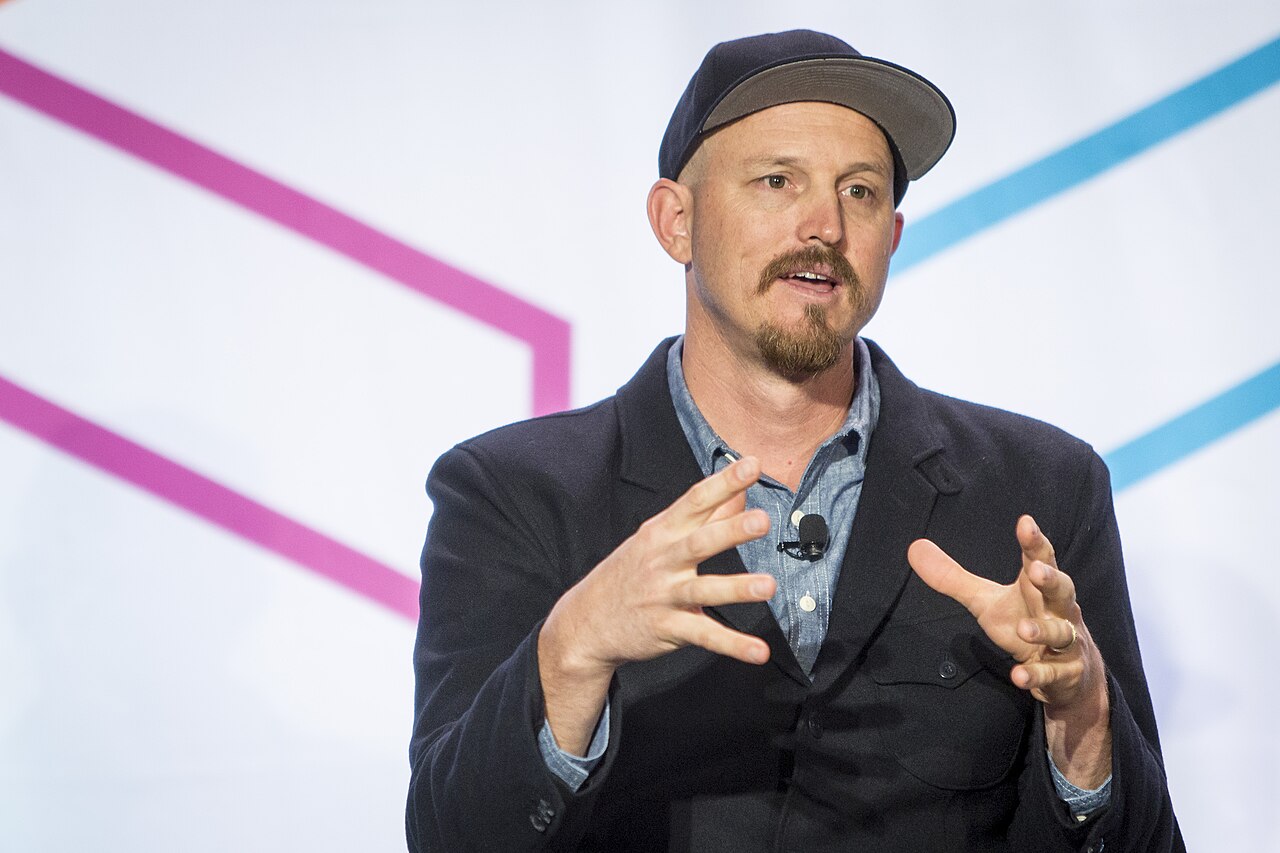
The Companies Behind Mick Ebeling's Wealth: From Fuel to Not Impossible
Mick Ebeling is not just an entrepreneur; he is a force of nature, a visionary whose career trajectory defies conventional categorization. Renowned as an American inventor, author, speaker, and philanthropist, Ebeling has consistently dedicated his exceptional talent to developing technology that directly benefits humanity. His journey, marked by numerous successful ventures, offers a compelling look at how commercial acumen can intertwine with a profound commitment to social good, ultimately contributing to a significant mick ebeling net worth and an even greater societal impact.
From the creative hub of a motion design studio to the cutting-edge frontiers of a social tech incubator, Ebeling's entrepreneurial path has been diverse and impactful. This article delves into the key companies he founded and led, exploring how each played a crucial role in building his financial standing, shaping his innovative philosophy, and empowering his mission to make the "impossible" a tangible reality for countless individuals.
The Formative Years: Laying the Entrepreneurial Groundwork
Born on June 26, 1970, in Long Beach, California, and raised in Phoenix, Arizona, Mick Ebeling inherited an entrepreneurial spirit and a philanthropic drive from his parents, Marge and Les Ebeling. This foundation, coupled with his education at Brophy College Preparatory, the Air Force Academy, and finally, a political science degree from the University of California, Santa Barbara in 1992, provided a unique blend of discipline, leadership skills, and a broad worldview that would define his future endeavors.
Ebeling’s professional journey truly ignited in 1995 with the launch of Fuel. Based in Venice Beach, Fuel was a pioneering motion design studio that quickly gained acclaim for its innovative use of early Adobe After Effects. In the burgeoning digital landscape of the mid-90s, Fuel carved out a niche, attracting high-profile clients and showcasing Ebeling's innate ability to identify and capitalize on emerging technological trends. The studio's rapid success culminated in its acquisition by the digital giant Razorfish in 1999. This acquisition was not merely a financial win; it was a significant early validation of Ebeling's business acumen, providing capital and a strong reputation that would fuel his subsequent ventures. For many entrepreneurs, an exit like Fuel's signifies a substantial contribution to their overall mick ebeling net worth, often becoming a springboard for future, more ambitious projects.
Following Fuel, Ebeling continued his entrepreneurial streak by founding They, a cross-platform design company. Collaborating with diverse clients, including NASA, They further demonstrated Ebeling's versatility and his team's capacity to deliver cutting-edge design solutions across various media. These early enterprises were critical. They not only generated revenue and expanded his professional network but also honed his leadership skills, project management expertise, and understanding of market dynamics – all indispensable assets for his future, more complex undertakings.
The Ebeling Group: A Creative Powerhouse and Stepping Stone
In 2001, Mick Ebeling established The Ebeling Group (TEG), a production company and creative think tank that quickly distinguished itself in the industry. TEG was not just another design studio; it was a curated collective, representing some of the world's leading design and directing talent. Under Ebeling's astute leadership, TEG became synonymous with high-quality, innovative productions, attracting prestigious projects that solidified its reputation.
TEG's impressive portfolio included the main titles for the James Bond film “Quantum of Solace” (2008) and the critically acclaimed, award-winning animation “Yes, Virginia” television special for CBS (2009). These projects weren't just commercial successes; they were showcases of creative excellence and sophisticated execution. The sustained success of The Ebeling Group undoubtedly played a significant role in accumulating the resources and strategic foresight necessary for Ebeling's later, more philanthropically driven ventures. TEG allowed him to build a robust financial foundation, cultivate a vast network of creative professionals, and gain invaluable experience in managing complex, high-stakes projects. This period was crucial in empowering him to pivot towards his ultimate goal: leveraging technology for profound human impact.
Insight: The progression from Fuel to They to The Ebeling Group illustrates a common entrepreneurial strategy: building initial commercial success to gain capital, experience, and credibility. This trajectory often enables founders to pursue more passion-driven or impact-oriented goals with a stronger foundation, potentially influencing their mick ebeling net worth in a way that allows for greater social investment.
Not Impossible Labs: Wealth for Good and Humanitarian Innovation
Ebeling's transition from purely commercial ventures to a dedicated focus on humanitarian innovation marked a pivotal shift in his career. In 2008, he founded Not Impossible Labs, a social tech incubator with a powerful mission: "create technology for the sake of humanity." This organization embodies Ebeling's philosophy that technological innovation should be accessible and affordable, solving real-world problems for underserved communities.
Not Impossible Labs isn't just a charity; it's a model for how innovation built his renowned career and how social enterprise can be sustainable and impactful. While the lab itself might operate on a non-profit or social enterprise model, its groundbreaking projects often attract significant funding, partnerships, and public interest, which in turn elevates Ebeling's profile and attracts further support for his vision. The lab’s most celebrated projects include:
- The Eyewriter (2010): This revolutionary device enabled a paraplegic street artist, Tempt One, to draw using only his eye movements. Recognized as one of TIME Magazine’s Top Inventions of the Year, the Eyewriter showcased the profound potential of simple, accessible technology.
- Project Daniel (2014): In a groundbreaking initiative, Not Impossible Labs established a 3D-printing prosthetic lab in war-torn Sudan, providing amputees with affordable, custom-fit prosthetic arms. This project demonstrated the practical application of emerging technologies in addressing global health crises.
- Bento (2021): A platform designed to combat food insecurity by connecting those with surplus food to those in need, Bento was also honored as one of TIME Magazine’s Top Inventions. This project later spun off as an independent company.
- Music: Not Impossible (2023): Another TIME Top Invention, this technology empowers individuals with hearing impairments to experience music through tactile vibrations, further expanding the lab's reach into assistive devices. This also became a spin-off company.
- Vibrohealth: Another innovative spin-off from Not Impossible Labs, indicating a strategic approach to commercializing impactful technologies while maintaining the core mission.
The success of these projects, and the subsequent spin-off companies like Bento, Music: Not Impossible, and Vibrohealth, illustrates a unique approach to wealth creation and impact. While Ebeling's personal mick ebeling net worth benefits from successful commercial ventures, the "wealth" generated by Not Impossible Labs is often measured in human lives improved and systemic change enacted. However, the creation of viable, mission-driven companies like the spin-offs also demonstrates a sustainable model where impact can attract investment, ultimately contributing to a broader definition of financial success and resource accumulation for continued innovation.
Beyond the Balance Sheet: Ebeling's Enduring Legacy and Impact
Mick Ebeling's story transcends mere financial metrics. While his entrepreneurial journey has undoubtedly contributed to his mick ebeling net worth, his true legacy lies in his unwavering commitment to humanitarian innovation. He is a recipient of the Muhammad Ali Humanitarian of the Year Award, named one of Fortune Magazine’s Top 50 World’s Greatest Leaders, and recognized by Wired as an Agent of Change. His repeated recognition by TIME Magazine for groundbreaking inventions (Eyewriter, Bento, Music: Not Impossible) solidifies his status as a leading innovator.
His work offers invaluable lessons for aspiring entrepreneurs and innovators:
- Purpose-Driven Innovation: Ebeling demonstrates that identifying profound human needs can lead to groundbreaking technological solutions that are both impactful and scalable.
- Adaptability and Evolution: His journey from motion design to a social tech incubator highlights the importance of adapting one's business model and focus to align with evolving passions and opportunities.
- Leveraging Early Success: The financial and reputational gains from Fuel and The Ebeling Group provided the springboard for the ambitious, impact-focused work of Not Impossible Labs.
- The Power of Collaboration: His ability to bring together diverse talents, from engineers to artists and medical professionals, has been a cornerstone of his projects' success.
Ebeling's career is a testament to the idea that true wealth can be measured not just in assets, but in the positive change one creates in the world. His ongoing leadership at Not Impossible Labs, focused on accessible and affordable technological solutions, continues to inspire a new generation of "doers."
Conclusion: An Entrepreneur of Impact
Mick Ebeling's journey from a young entrepreneur in motion design to a global humanitarian innovator is a powerful narrative of purpose meeting prosperity. The companies he founded—Fuel, They, The Ebeling Group, and ultimately Not Impossible Labs—have not only contributed to his personal mick ebeling net worth but have also served as vehicles for increasingly impactful ventures. Each step built upon the last, providing the capital, experience, and network necessary to tackle audacious challenges like enabling paralyzed artists to draw with their eyes or providing 3D-printed prosthetics in conflict zones.
His story serves as a compelling example that entrepreneurship can be a profound force for good, illustrating how commercial success, when guided by a clear humanitarian vision, can fuel transformative change. Ebeling is not just building companies; he is building a better future, one impossible project at a time, ensuring that his legacy is defined by innovation, empathy, and an unwavering belief in humanity's potential.
